English
 Español
 русский
 中文简体
中文简体

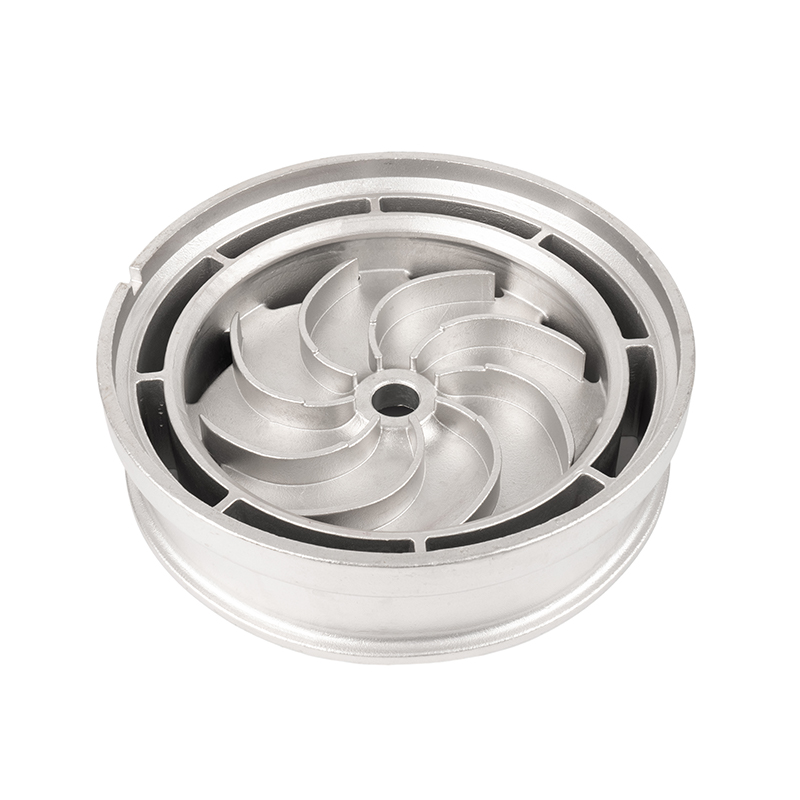
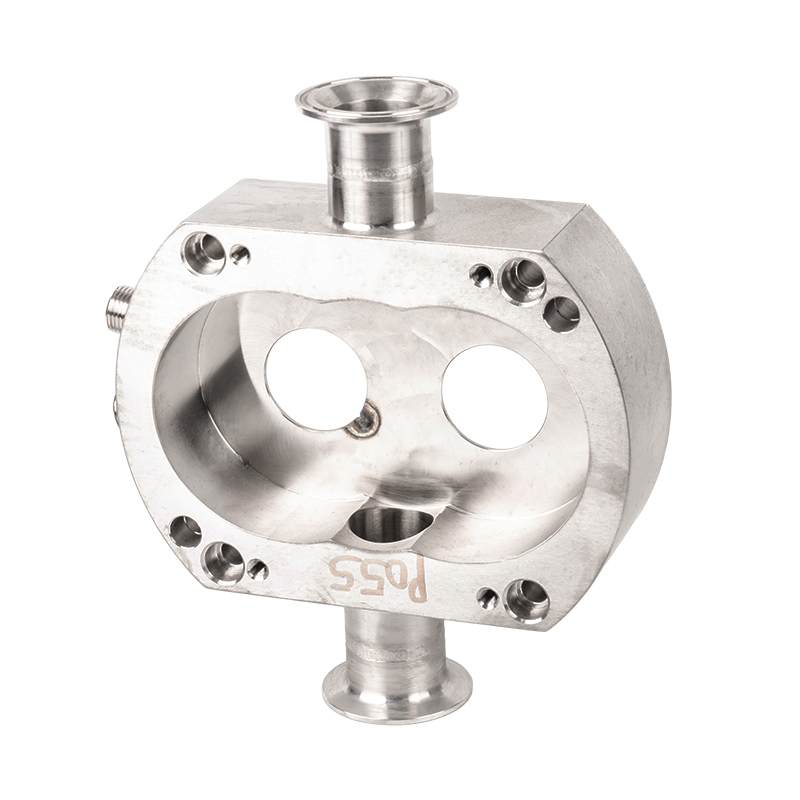
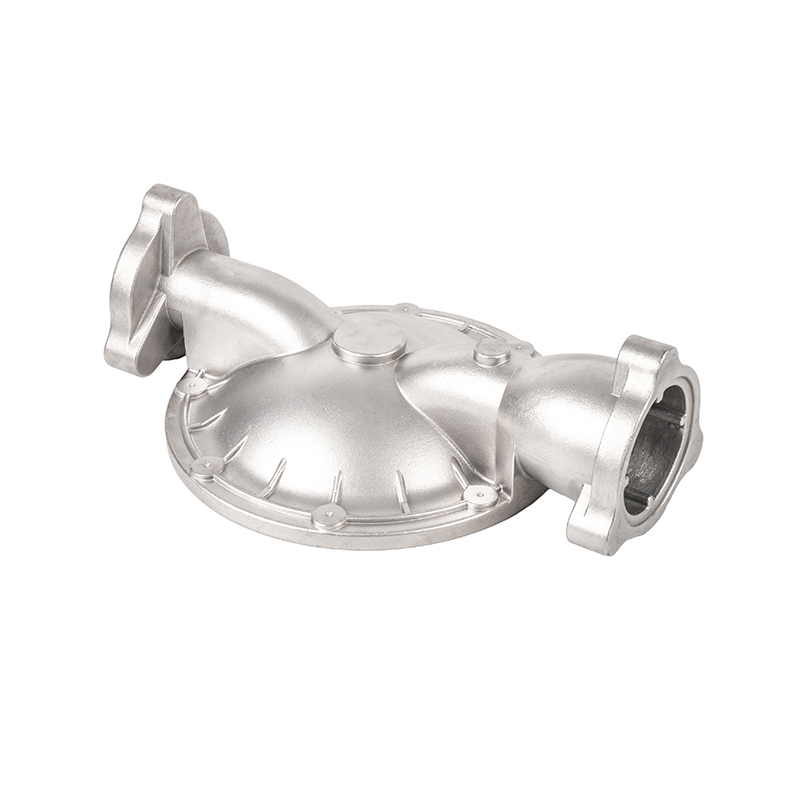
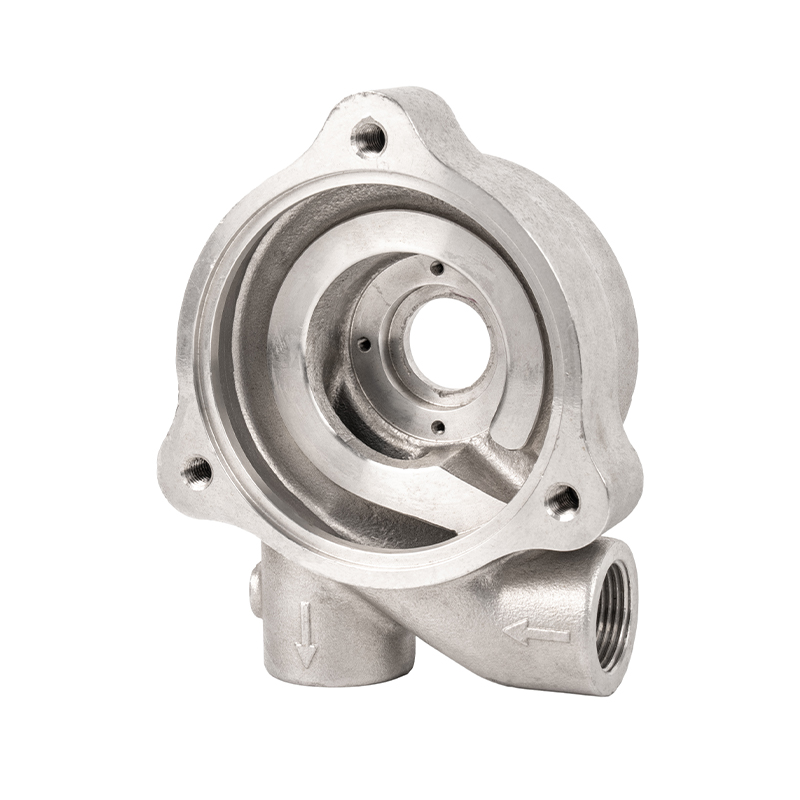
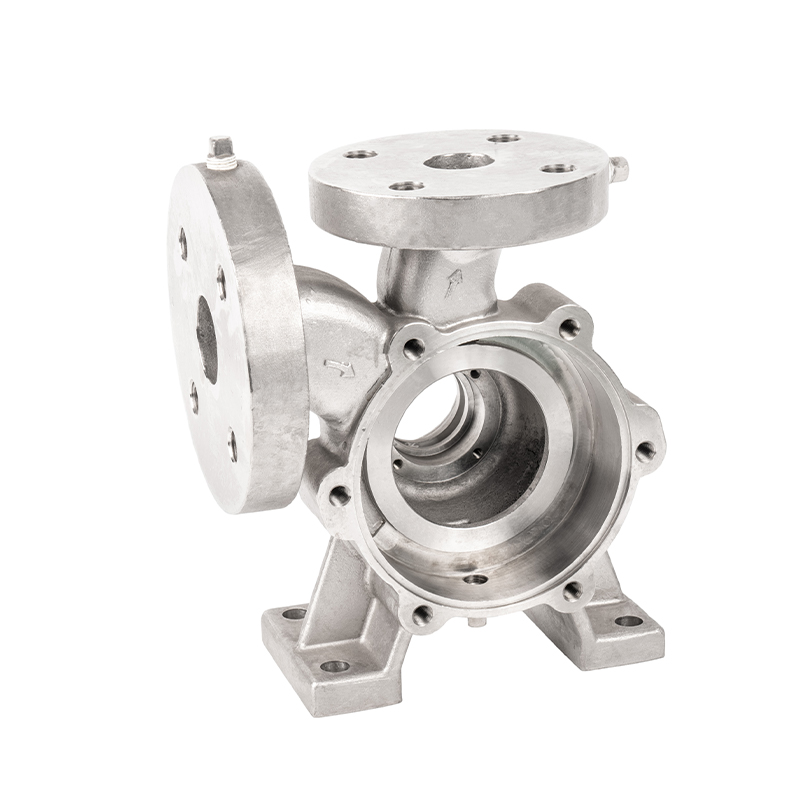
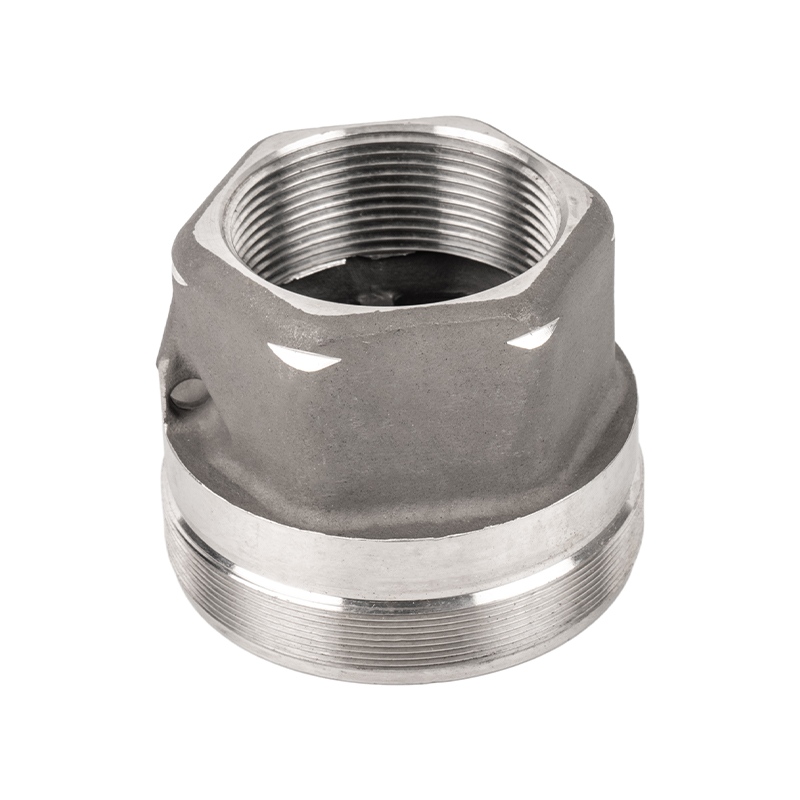
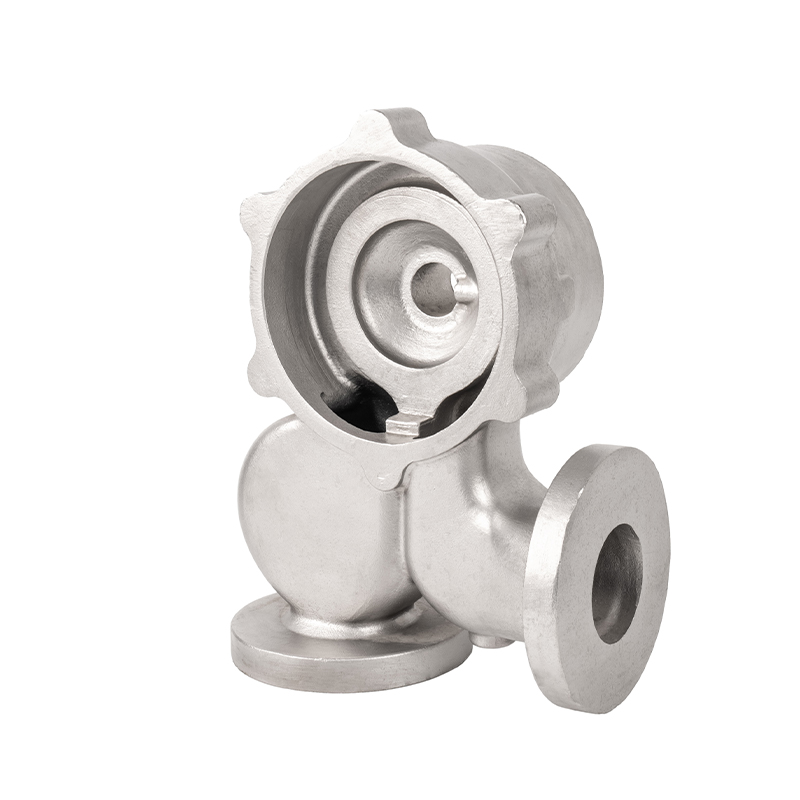
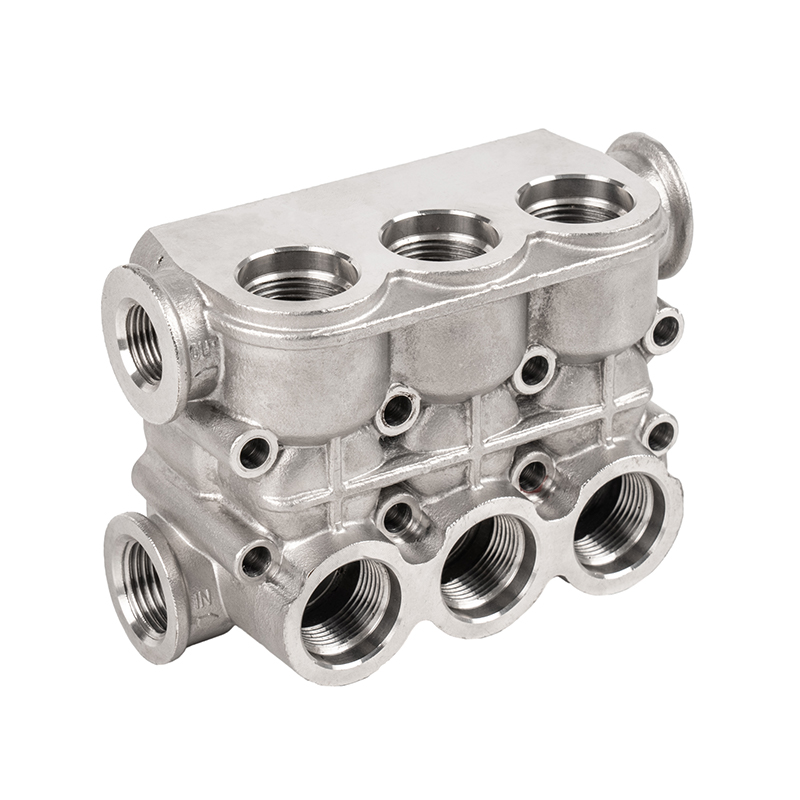
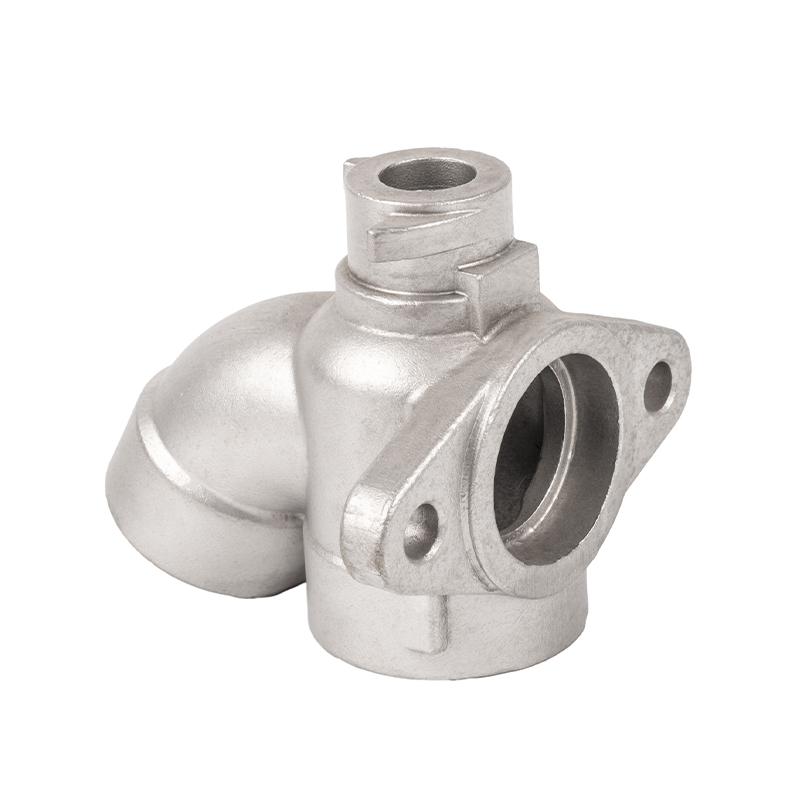
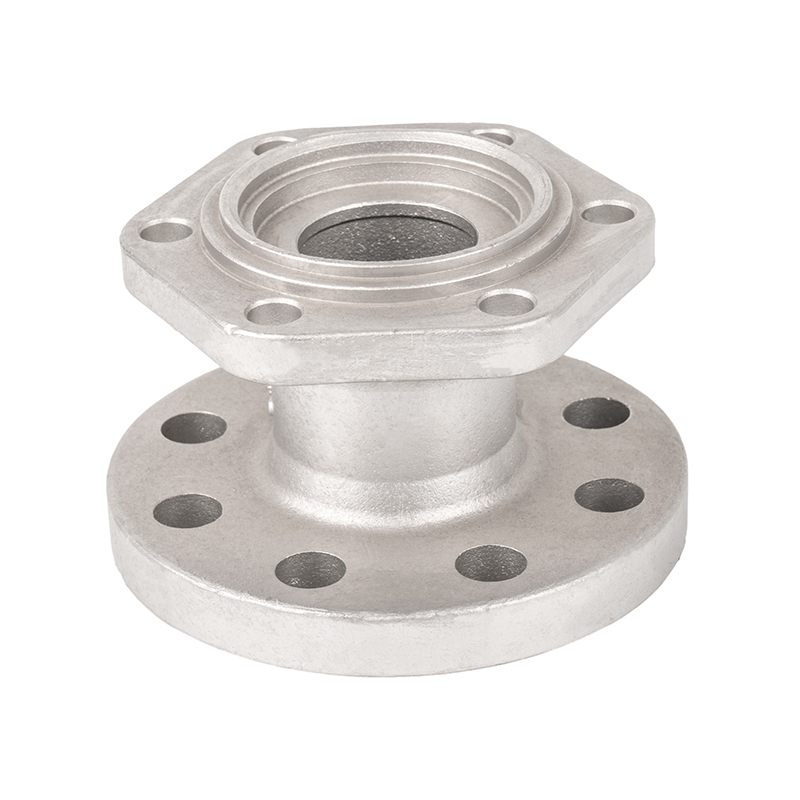
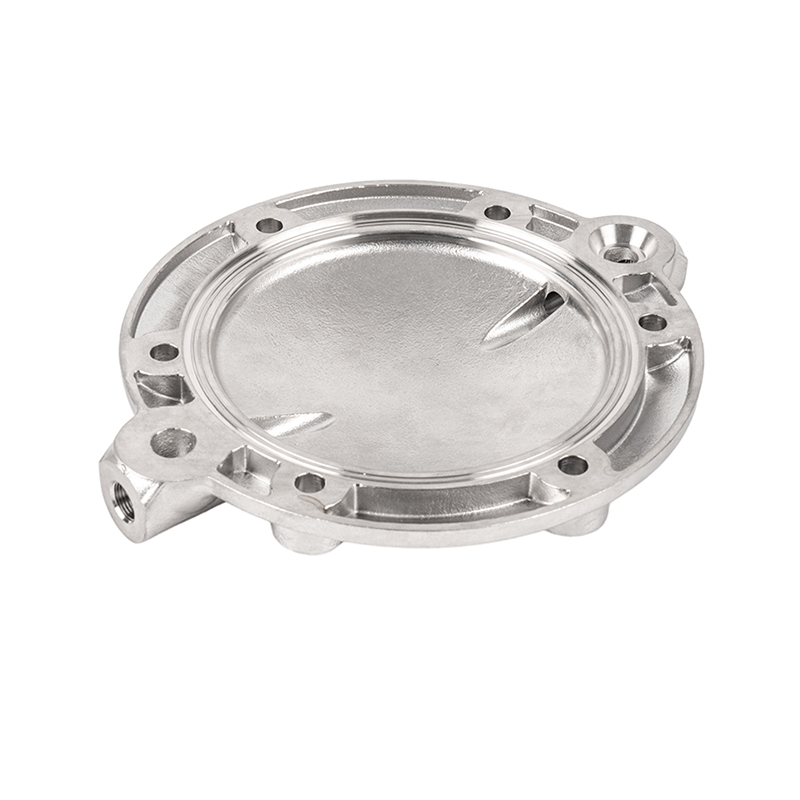
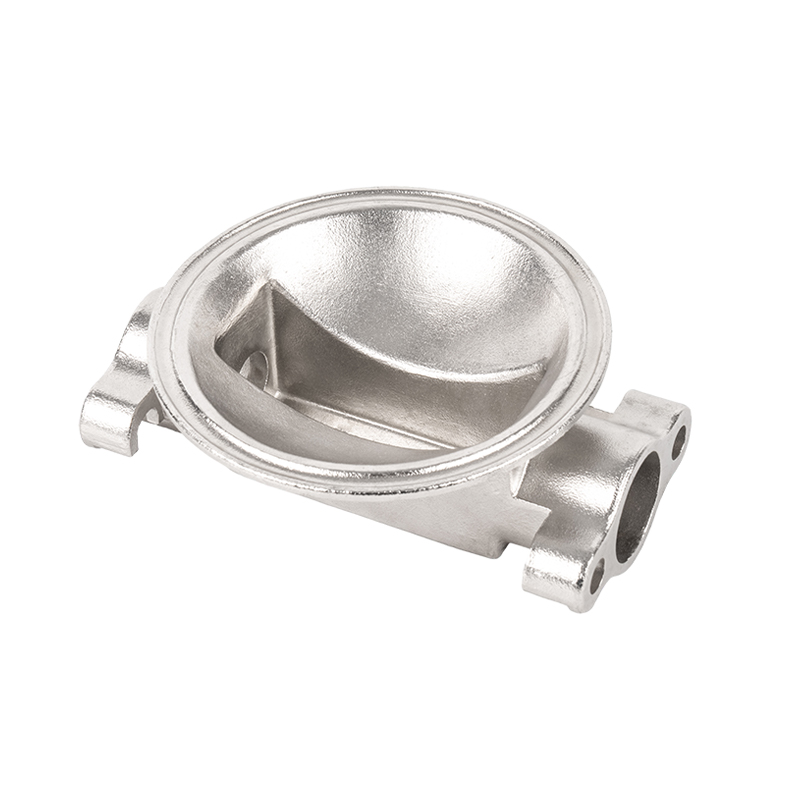
Across the chemical processing corridors of the Gulf Coast, the offshore platforms of the North Sea, and the high-purity pharmaceutical suites of Central Europe, one engineering reality remains constant: the pump is the heartbeat of every fluid handling system, and its casting is the anatomy that determines whether that heart endures. Highly corrosion-resistant stainless steel precision pump castings have become the defining component technology driving reliability, longevity, and performance gains in modern industrial fluid handling.
The Corrosion Problem in Industrial Fluid Systems
Corrosion costs the global industrial economy an estimated $2.5 trillion annually — roughly three percent of world GDP. Within that figure, pump systems represent a disproportionate share of both failure events and maintenance expenditure. The reason is structural: pumps are not passive conduits. Their internal geometry subjects flowing media to turbulence, pressure differentials, velocity changes, and temperature gradients that accelerate the electrochemical degradation of materials in ways that static pipework never experiences.
In aggressive fluid environments — concentrated acids, chloride-laden seawater, slurries carrying abrasive particulates, high-temperature process streams saturated with dissolved gases — conventional cast iron or carbon steel pump bodies may show measurable wall thinning within months of service. The economic consequences extend well beyond the cost of the pump itself: unplanned downtime in a chemical processing plant can cost tens of thousands of dollars per hour, and in sectors where fluid containment failures carry environmental or regulatory consequences, the stakes are considerably higher.
The transition from carbon steel to high-alloy stainless steel pump castings in demanding process environments is not simply a material upgrade — it is a fundamental redesign of the failure mode profile. Where carbon steel fails progressively through uniform corrosion that can be tracked and predicted, corrosion failures in improperly specified pump materials often occur through localized mechanisms — pitting, crevice attack, stress corrosion cracking — that provide little warning and result in sudden, catastrophic loss of containment.
Stainless Steel Grades and Their Corrosion Resistance Hierarchy
Not all stainless steel is equivalent in corrosion resistance, and the selection of casting grade is among the most consequential engineering decisions in pump specification. The passive oxide layer that gives stainless steel its corrosion resistance is composed primarily of chromium oxide and is self-renewing in oxidizing environments — but its stability varies dramatically with alloy composition, microstructure, and service conditions.
Austenitic Grades: The Industry Foundation
Type 316 and its low-carbon variant 316L remain the most widely specified stainless steel grades for industrial pump castings across general chemical, food and beverage, and pharmaceutical applications. The addition of two to three percent molybdenum to the base chromium-nickel austenitic structure substantially enhances resistance to pitting and crevice corrosion in chloride environments — the single most prevalent corrosive challenge in process industry fluid handling.
The low-carbon designation (L) is particularly significant for cast components. Casting processes involve elevated temperatures and controlled cooling cycles that can, in standard carbon grades, cause sensitization — the precipitation of chromium carbides at grain boundaries that depletes chromium from adjacent zones and creates pathways for intergranular corrosion attack. Specifying the low-carbon variant is not optional caution; it is standard practice for cast pump components intended for corrosive service.
Duplex and Super Duplex: Elevated Performance for Extreme Environments
Where austenitic grades reach the limit of their corrosion resistance, duplex and super duplex stainless steels take over. These alloys combine a ferritic-austenitic microstructure that delivers two significant advantages over purely austenitic grades: superior resistance to stress corrosion cracking, and substantially higher yield strength that allows thinner wall sections for equivalent pressure containment.
Super duplex grades such as SAF 2507 and Zeron 100 achieve Pitting Resistance Equivalent Numbers (PREN) above 40 — a threshold widely recognized in the offshore and chemical processing industries as the minimum for reliable service in seawater and concentrated chloride environments. These materials have become the standard specification for pump castings in offshore produced water handling, desalination high-pressure systems, and chlor-alkali process equipment.
| Alloy | Cr % | Mo % | PREN | SCC Resistance | Typical Application |
|---|---|---|---|---|---|
| 316L | 16-18 | 2-3 | ~23 | Moderate | General chemical, pharma |
| 317L | 18-20 | 3-4 | ~27 | Moderate | Pulp and paper, fertilizers |
| 904L | 19-23 | 4-5 | ~36 | Good | Sulfuric acid, phosphoric acid |
| 2205 Duplex | 21-23 | 2.5-3.5 | ~35 | Excellent | Offshore, desalination |
| 2507 Super Duplex | 24-26 | 3-5 | 42+ | Excellent | Seawater, chlor-alkali, FGD |
| Alloy 20 | 19-21 | 2-3 | ~29 | Good | Sulfuric acid, food processing |
Precision Casting: Where Material Science Meets Manufacturing Excellence
The corrosion resistance of an alloy is a theoretical maximum — an intrinsic property of the material's chemical composition. The degree to which a finished pump casting actually achieves that maximum in service is determined almost entirely by the quality of the casting process. Microstructural defects, chemical segregation, surface discontinuities, and subsurface porosity all create sites of locally compromised corrosion resistance that fail at fractions of the bulk material's design life.
Precision investment casting — the dominant manufacturing process for high-performance stainless steel pump components — addresses these vulnerabilities through a sequence of closely controlled process steps that together determine the quality ceiling of the finished casting.
- Wax Pattern Production and Assembly High-precision wax patterns are injected into metal dies machined to the casting's final geometry. Dimensional accuracy at this stage propagates through every subsequent step; pattern tolerances of 0.1 percent or better are achievable in modern tooling, enabling near-net-shape castings that minimize post-cast machining requirements.
- Ceramic Shell Building Multiple layers of ceramic slurry and refractory stucco are applied to the pattern assembly. Shell composition and layer count directly influence surface finish, dimensional stability under molten metal pressure, and gas permeability during solidification — all parameters that affect the casting's internal quality.
- Controlled Melt Chemistry and Degassing Alloy composition must be held within tight elemental ranges to ensure consistent corrosion resistance across production lots. Vacuum induction melting with spectroscopic verification, combined with degassing protocols that minimize dissolved hydrogen and nitrogen, is standard practice for critical pump castings.
- Controlled Solidification and Cooling Solidification conditions determine grain size, dendritic structure, and the distribution of alloying elements within the microstructure. Improper cooling rates create macro-segregation zones where local alloy composition deviates significantly from nominal — producing areas of reduced corrosion resistance that no surface treatment can correct.
- Heat Treatment and Solution Annealing Post-solidification heat treatment dissolves precipitated phases, homogenizes the microstructure, and restores the optimal phase balance for corrosion resistance. For duplex alloys, precise control of the austenite-ferrite balance is achieved through heat treatment parameters and verified through metallographic examination.
- Non-Destructive Testing and Certification Radiographic examination, liquid penetrant inspection, ultrasonic testing, and dimensional verification against engineering drawings constitute the quality gate that ensures only conforming castings enter service. For critical applications, third-party witness inspection by classification societies or end-user representatives is standard.
The difference between a precision casting and a commodity casting is not visible in the finished part. It is visible in the failure data — in mean time between failures that run two or three times longer, in corrosion rates that track design predictions rather than exceeding them, in unplanned maintenance events that simply do not occur.
Key Performance Dimensions of High-Quality Pump Castings
Dimensional Precision and Hydraulic Efficiency
Investment cast pump volutes and impeller housings achieve surface finishes in the range of Ra 3.2 to 6.3 micrometers without secondary machining — smooth enough to significantly reduce hydraulic friction losses relative to sand-cast alternatives. In large pump systems, even marginal efficiency gains translate to substantial energy savings over operational lifetimes.
Wall Thickness Uniformity
Uniform wall sections ensure consistent pressure containment integrity and eliminate stress concentration sites that would otherwise serve as initiation points for fatigue cracking or corrosion-assisted failure. Precision casting achieves wall thickness tolerances typically within plus or minus 0.5 millimeters across complex pump geometries.
Internal Passage Integrity
Clean, smooth internal passages with consistent cross-sectional geometry prevent the development of stagnant zones where aggressive fluids concentrate and localized corrosion accelerates. Ceramic core technology in investment casting produces fluid passages with precision and surface quality unattainable in other casting methods.
Weld Repair Compatibility
High-quality stainless steel castings maintain consistent chemistry across the entire casting body, enabling weld repair of minor service damage without risk of composition mismatch or heat-affected zone sensitization. This extends the serviceable life of expensive components and reduces total ownership cost substantially.
Industrial Sectors Transformed by Advanced Pump Castings
The impact of highly corrosion-resistant stainless steel precision pump castings is most visible in sectors where the fluid handling challenge is most severe — where the combination of chemical aggressiveness, operating pressure, temperature, and consequence of failure demands materials and manufacturing quality at the absolute frontier of what is achievable.
Oil and Gas Processing
Sour service environments with H2S, CO2, and produced water chloride loading demand stress corrosion crack-resistant super duplex grades across injection and transfer pump castings.
Chemical Processing
Acid service, chlorinated solvents, and oxidizing media require grade-specific alloy selection matched to process chemistry, with documented heat traceability for regulatory compliance.
Desalination Plants
High-pressure seawater handling at temperatures where chloride pitting is most aggressive demands PREN values consistently above 40 and rigorous casting quality verification.
Pharmaceutical and Biotech
Ultra-pure water and aggressive cleaning agent cycling require electropolished 316L castings with certified low-delta ferrite levels for maximum corrosion and contamination resistance.
Pulp and Paper
Bleaching chemical circuits handling chlorine dioxide and hypochlorite at elevated temperatures are among the most demanding corrosion environments encountered in industrial pump service.
Power Generation
Flue gas desulfurization scrubber pumps handling chloride-laden slurries at elevated temperatures have driven widespread adoption of super duplex and high-nickel alloy pump castings.
The Total Cost of Ownership Argument
The initial cost premium of high-alloy precision pump castings over commodity alternatives is real and measurable. In competitive procurement environments, it creates friction. But framing pump casting selection as a purchase cost decision rather than a lifecycle cost decision produces systematically poor outcomes — outcomes that are well documented in the maintenance records of facilities that have made the calculation both ways.
A stainless steel precision pump casting that costs three times the price of a carbon steel alternative but delivers ten times the service life before first failure has a total cost of ownership roughly one third that of the cheaper option — before accounting for the cost of the downtime associated with the failures the cheaper option accumulates along the way. In high-production environments, that downtime cost dwarfs the procurement differential entirely.
The maintenance labor component reinforces the same conclusion. Pump casting replacements in industrial settings are rarely simple swap operations. They involve system isolation, fluid drainage, confined space entry in many configurations, mechanical disassembly, component cleaning, inspection, and reassembly with torque verification. The labor cost of a single unplanned pump replacement in a continuous process plant frequently exceeds the cost differential between premium and commodity castings over the pump's entire specified design life.
Industry reliability data consistently shows that unplanned pump failures account for approximately 20 percent of all production losses in chemical processing facilities. In plants that have transitioned systematically to precision-cast, corrosion-resistant stainless steel pump components with rigorous material specification and quality documentation, mean time between failures in aggressive service exceeds 60 months — compared to industry averages of 18 to 24 months for conventionally specified equipment in equivalent service.
Specification, Standards, and Quality Documentation
The procurement of precision pump castings for critical industrial service operates within a framework of international standards that define minimum requirements for material composition, testing, dimensional tolerance, and quality documentation. Understanding this framework is essential for engineers specifying components and for procurement professionals evaluating suppliers.
Material Standards
ASTM A351 covers austenitic and duplex stainless steel castings for pressure-containing service, defining grade-specific composition ranges and mechanical property requirements. ASTM A744 addresses castings for severely corrosive environments with enhanced requirements. For European and international markets, EN 10213 establishes equivalent requirements. Compliance with these standards is a necessary but not sufficient condition for high-quality pump castings — it defines the floor, not the ceiling.
Non-Destructive Examination Requirements
For pump castings in critical service, radiographic examination to ASTM E186 or equivalent, liquid penetrant inspection to ASTM E165, and ultrasonic examination to ASTM A609 represent the standard examination protocol. Acceptance criteria are typically defined by reference to ASTM severity levels, with Level 2 or better required for pressure-boundary castings in most process industry specifications.
Corrosion Testing
Beyond compositional compliance, corrosion performance verification through standardized testing provides a direct measure of a casting's actual corrosion resistance in service-relevant conditions. ASTM A262 Practice E (Strauss test) assesses susceptibility to intergranular corrosion. ASTM G48 Method A assesses pitting and crevice corrosion resistance in ferric chloride solution — the most widely used accelerated test for comparing alloy grades intended for chloride service. These test results, documented in material test reports and maintained in the casting's quality dossier, provide the evidence base for service life predictions.
Setting a New Performance Standard
The characterization of highly corrosion-resistant stainless steel precision pump castings as a powerful stimulant for modern industrial fluid handling is not marketing hyperbole — it is an accurate description of the material and manufacturing technology's role in enabling reliability levels that were simply unachievable with previous-generation pump components.
The convergence of advanced alloy metallurgy, precision investment casting manufacturing, rigorous non-destructive examination, and comprehensive quality documentation has produced a class of pump casting that performs with a consistency and durability that transforms the operational economics of fluid handling systems across every demanding industrial sector.
As industrial processes intensify — handling more aggressive media, operating at higher pressures and temperatures, demanding longer continuous run times between scheduled maintenance windows — the engineering case for highly corrosion-resistant precision pump castings strengthens further. These are not components for specialized niche applications. They are the new standard for any serious industrial fluid handling installation where reliability is a functional requirement rather than an aspiration.