

 English
 Español
 русский
 中文简体
中文简体
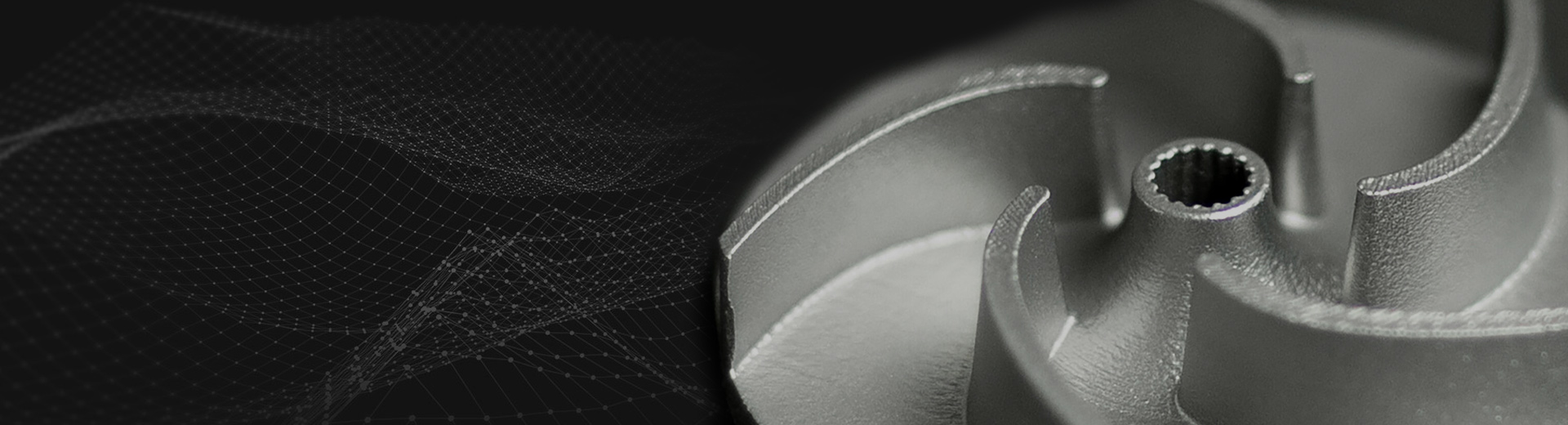
Why Are Spiral Centrifugal Impeller Castings Reforming Industrial Pumping Efficiency
Understanding the Core Concept: What is a Spiral Centrifugal Impeller? Defining the Geometry Spiral Centrifugal Impeller Castings represent ...
information to be updated
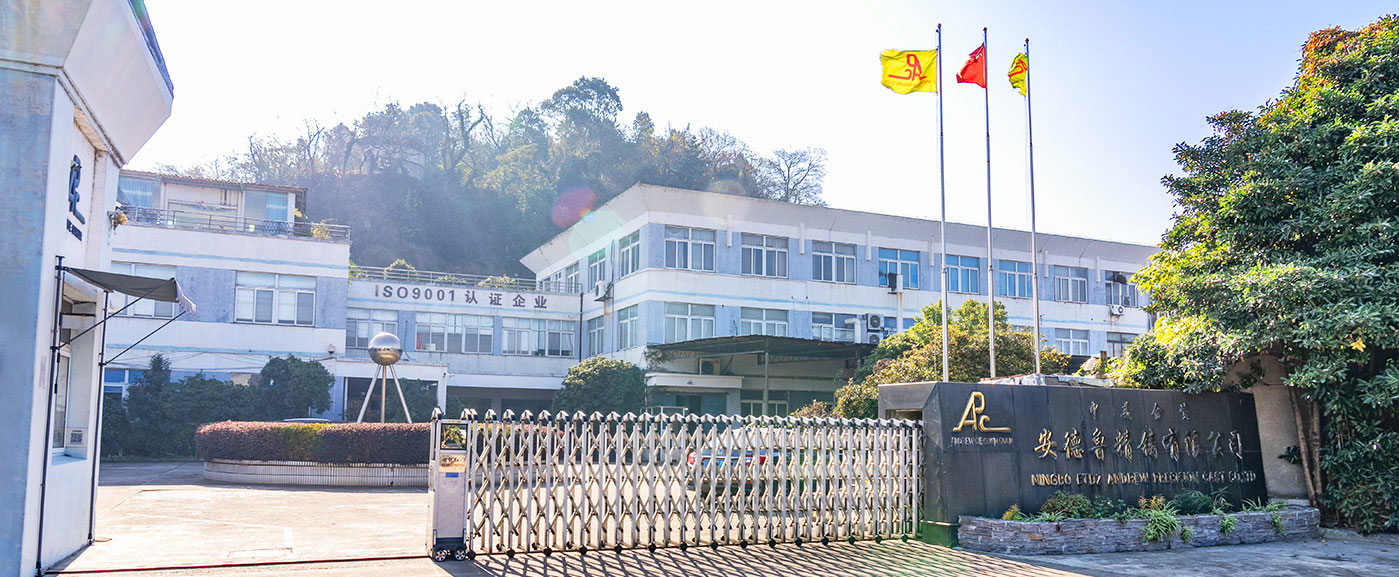
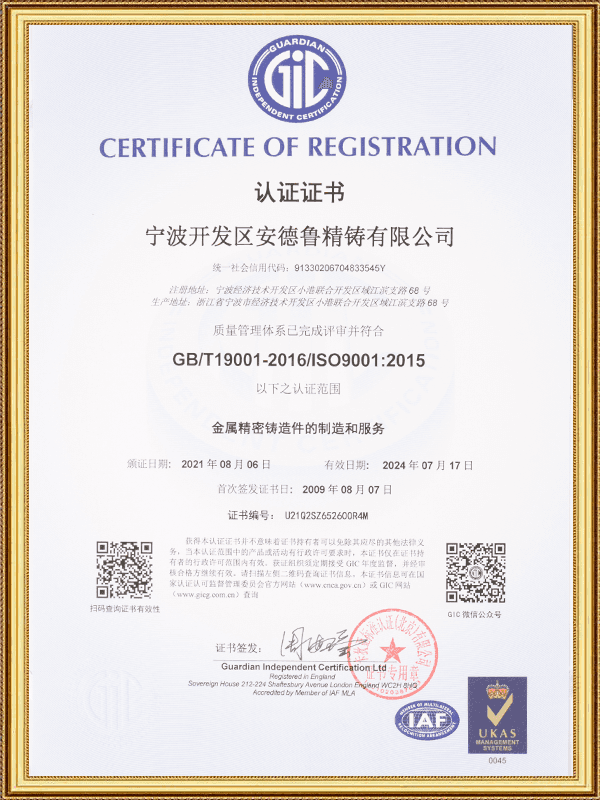
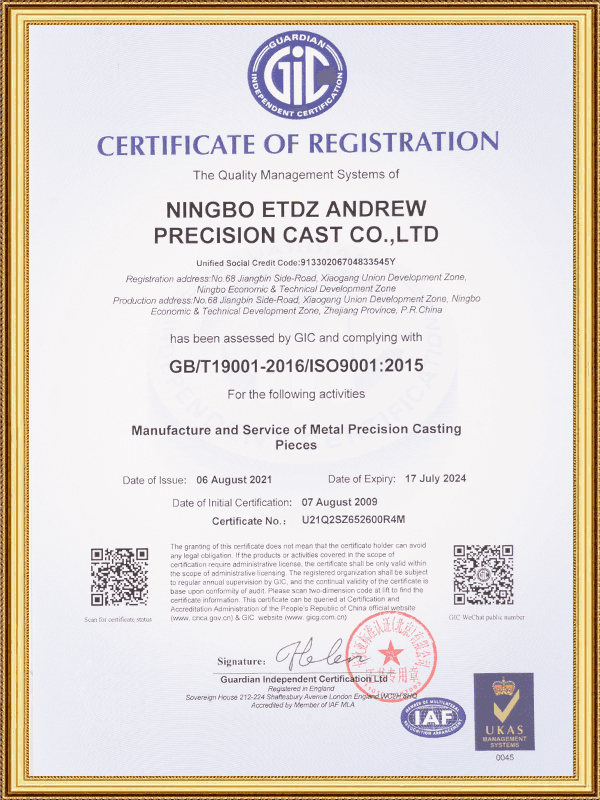
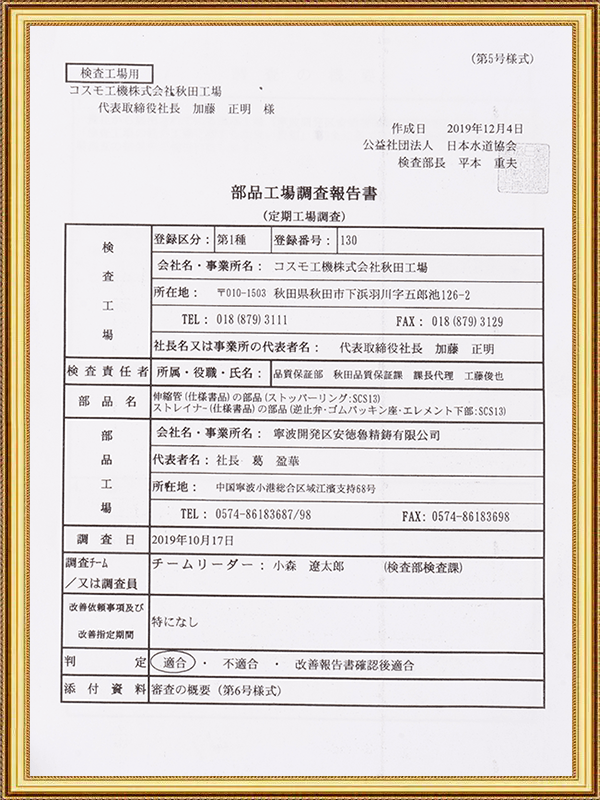
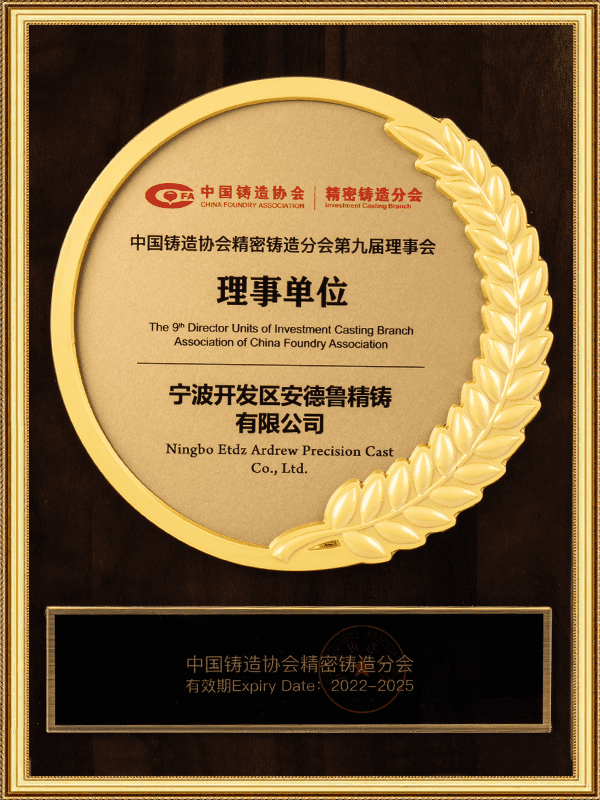
Ningbo Etdz Andrew Precision Cast Co., Ltd. is China Stainless Steel Auto Parts Manufacturers and Wholesale Auto Parts Factory, specializing in the production of Stainless Steel Precision Auto Parts. The company is a joint venture established at the end of 1997. The company is located in Xiaogang Town, 20 kilometers northeast of Ningbo City. It is only 15 kilometers away from Beilun Port, the largest international freight port in the country, with convenient transportation and a good environment.The company has strong, advanced technology and capital, and constantly introduces new products. The company is booming at an astonishing rate. The company has nearly 120 employees, including 15 engineering and technical personnel. The company is constantly cultivating, introducing, and reserving a group of high-tech professionals, and now the company is considered a high-tech enterprise. The general manager is specially appointed as a provincial casting technology expert and an executive director of the China Precision Casting Association. He has been leading a group of high-tech and high-quality teams fighting in the stainless steel precision casting industry for a long time. They are constantly making progress and innovating, and are showing a new look. Become at the forefront of the advanced precision casting industry in the country and the world. The company specializes in producing various valves, pumps, marine hardware, auto parts, train parts, pipe parts, and other hardware stainless steel precision casting products, with a monthly output of more than 200 tons. More than 90% of the company's products are exported to the United States, Germany, Japan, Italy, Russia, Spain, and other countries and regions. The company relies on unique advanced technology and scientific management methods to produce high-quality stainless steel products that meet the needs of different customers. And promises to customers: "Backed by first-class technology and pioneered by leading new product development, we will become the most reassuring and satisfied enterprise for customers." Ningbo Andrew welcomes new and old customers to cooperate, and we will serve you wholeheartedly.
Understanding the Core Concept: What is a Spiral Centrifugal Impeller? Defining the Geometry Spiral Centrifugal Impeller Castings represent ...
In the sector of high-performance industrial valve manufacturing, the surface quality of Ball Valve Castings directly determines their relia...
In the global industrial valve manufacturing sector, selecting the optimal casting process is a critical decision that dictates product qual...
Determining the Need for Permanent Floor Drain Sealing Determining the need for permanent floor drain sealing is the first step in the entir...

Copyright © Ningbo Etdz Andrew Precision Cast Co., Ltd. All rights reserved
 Wholesale Stainless Steel Auto Parts Manufacturers
