

 English
 Español
 русский
 中文简体
中文简体

Home / News / Industry News / Mechanical Seals in Centrifugal Pumps: Types, Selection, and Installation
Industry News
Mechanical Seals in Centrifugal Pumps: Types, Selection, and Installation
A few drops of liquid forming near the pump shaft may seem harmless at first, but they are often the first sign of mechanical seal failure. In a centrifugal pump, the mechanical seal is the component that prevents pressurized process fluid from escaping where the rotating shaft enters the pump casing. When it fails, the result is product loss, unplanned downtime, safety hazards, and expensive repairs. Understanding how mechanical seals work, what types are available, and how the rest of the pump affects seal performance is essential for anyone who specifies, operates, or maintains centrifugal pumps.
This article explains the basics of mechanical seals in centrifugal pumps, compares the main seal types, and provides practical selection and installation guidance. It also highlights the often-overlooked relationship between pump casting quality and seal life—a topic that matters just as much as the seal itself.
How a Mechanical Seal Works
A mechanical seal has two ultra-flat sealing faces: one rotates with the shaft, and the other remains stationary in the pump housing. Forced together by springs and hydraulic pressure, these faces create a barrier that limits fluid leakage to an extremely thin film. That film—typically only a few microns thick—lubricates the faces and prevents dry running while still containing the process pressure.
Unlike gland packing, which relies on controlled leakage to stay lubricated, a properly selected mechanical seal produces almost no visible leakage. This makes it the preferred choice for most modern centrifugal pumps, especially when the fluid is hazardous, expensive, or harmful to the environment.
The seal assembly also includes secondary sealing elements, such as O-rings or gaskets, and a metal or rubber bellows in some designs. These secondary seals handle static sealing between the gland plate, the pump casing, and the shaft sleeve. The overall performance of the mechanical seal depends not only on the quality of its own components but also on the condition of the pump casing, the shaft, and the impeller. If you want to see how those pump components contribute to the sealing environment, the article on the role of centrifugal pump castings in centrifugal pumps provides useful context.
Main Types of Mechanical Seals for Centrifugal Pumps
Centrifugal pumps operate under a wide range of pressures, temperatures, and process conditions, so no single seal design works for every service. Designers and maintenance engineers typically choose from six common categories.
Balanced and unbalanced seals
An unbalanced seal has a fixed face arrangement where the full hydraulic pressure from the pump pushes the faces together. This design is simple and inexpensive, but at high pressures it generates excessive face loading, which increases heat and wear. Balanced seals have a stepped shaft or a step in the mating ring that reduces the area exposed to hydraulic pressure. This allows them to handle higher pressures with less face load. For most centrifugal pump applications above roughly 15 to 20 bar, a balanced seal is recommended.
Pusher and non-pusher seals
A pusher seal uses a dynamic O-ring that slides along the shaft to maintain face contact as the sealing faces wear. It is a proven design, but the O-ring must remain flexible; if the pumped fluid causes the O-ring to swell or stick, the seal can fail. Non-pusher seals, often with a metal bellows, compensate for wear by flexing the bellows material instead of sliding an elastomer. They are better for high temperatures and for fluids that degrade elastomers, although they tend to cost more.
Conventional and cartridge seals
A conventional mechanical seal comes in several pieces, and the installer positions the spring, rotary face, gland plate, and stationary seat during assembly. This gives flexibility but creates more opportunities for installation error. A cartridge seal is a pre-assembled unit that slides onto the shaft as one piece. It preserves the correct setting and compression, reduces installation mistakes, and is particularly popular for pumps where maintenance time is critical.
| Type | Advantage | Typical application |
|---|---|---|
| Unbalanced | Low cost, simple design | Clean water, low-pressure service |
| Balanced | Handles higher pressure, less heat | Boiler feed water, chemical pumps |
| Pusher | Reliable, self-adjusting | General industrial fluids |
| Non-pusher (bellows) | No dynamic elastomer | High temperature, reactive fluids |
| Conventional | Flexible, lower initial cost | Pumps with skilled maintenance teams |
| Cartridge | Easy installation, fewer errors | Critical pumps, offshore and process plants |
When selecting from these types, you must also consider the pumped fluid, pressure fluctuations, temperature, shaft speed, and whether abrasive particles are present. Those factors determine if a single seal, dual seal, or a seal with a flush plan is the right choice.
Why Pump Component Quality Affects Seal Life
A mechanical seal is sensitive to the dynamic behavior of the pump itself. Vibration, shaft deflection, and misalignment can make the seal faces open, bounce, or wear unevenly. Those conditions are often caused by poor pump casting design or manufacturing defects, not by the seal.
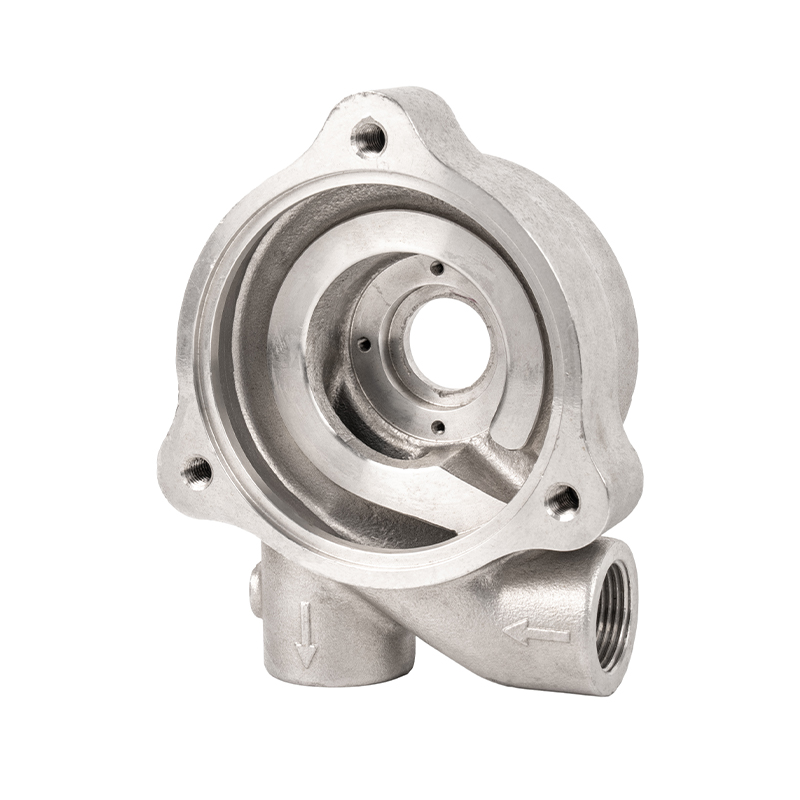
The centrifugal pump castings that form the casing, volute, and other pressure-containing parts must have the right wall thickness, metallurgical integrity, and dimensional accuracy. A distorted casing creates uneven flange loading, which can pull the gland plate out of alignment and cause rapid seal wear. Good castings also reduce the risk of porosity and leaks under pressure, which protects the seal environment.
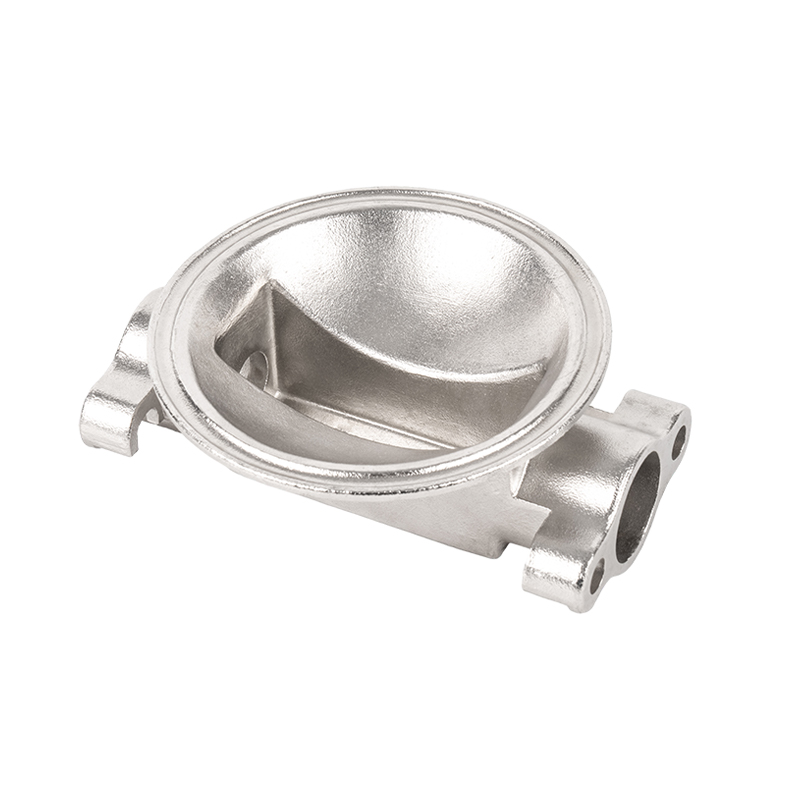
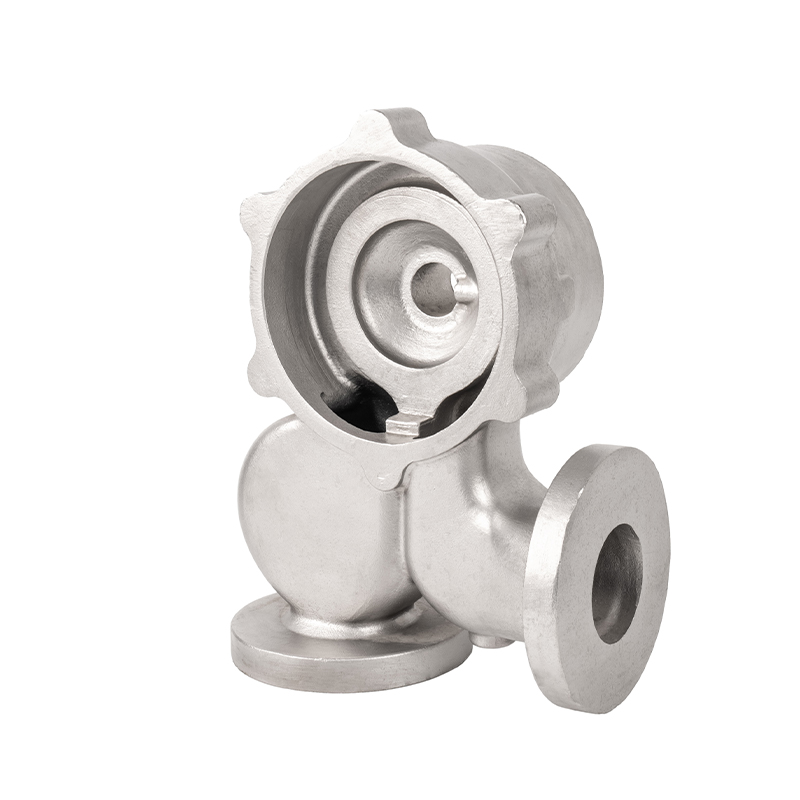 Custom Stainless Steel Centrifugal Pump Castings Manufacturers, OEM SuppliersNingbo Etdz Andrew Precision Cast Co., Ltd. is China Centrifugal Pump Castings Manufacturers and Custom Stainless Steel Precision Centrif...View Product →
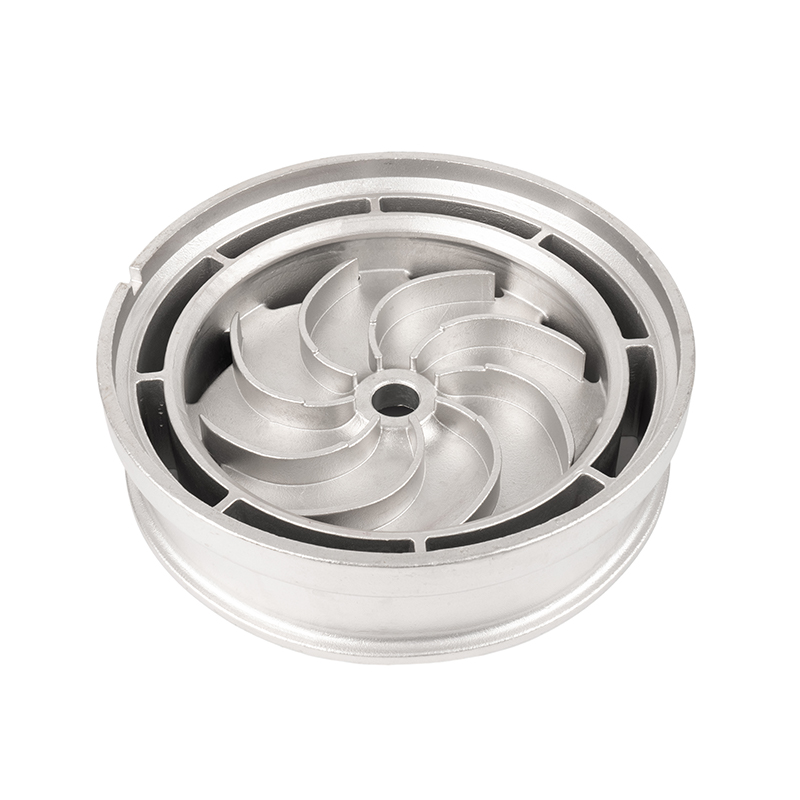
The impeller is just as important. An imbalanced impeller creates vibration that travels down the shaft and into the seal chamber. Precision-machined blade impeller castings help keep rotation smooth and concentric. For applications that handle solids, spiral centrifugal impeller castings are often used because they pass fibrous or particle-laden fluids without clogging, reducing pressure fluctuations around the seal.
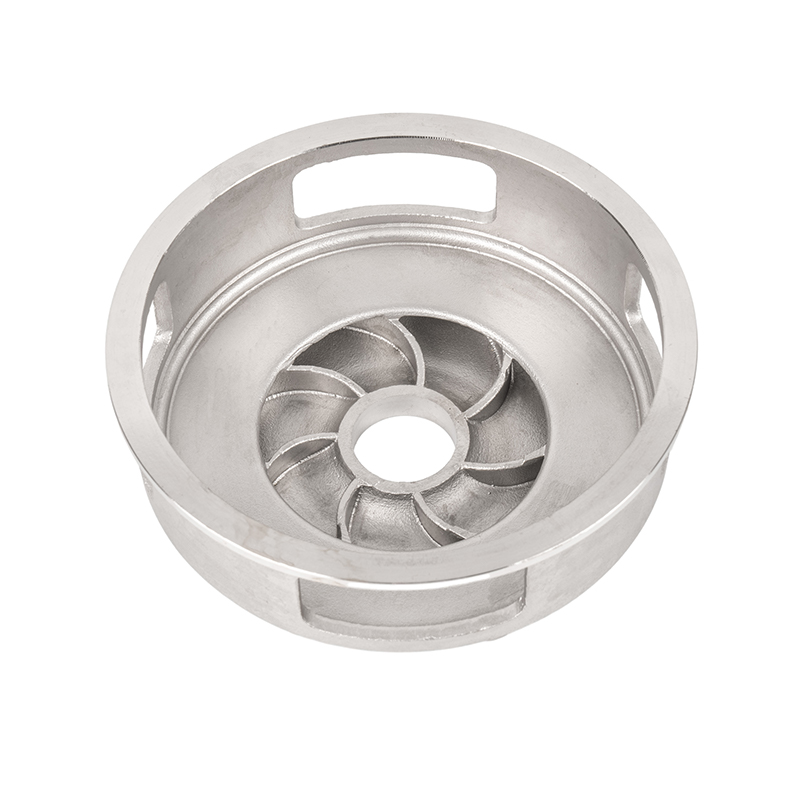 Custom Stainless Steel Spiral Centrifugal Impeller Castings Manufacturers, OEM SNingbo Etdz Andrew Precision Cast Co., Ltd. is China Spiral Centrifugal Impeller Castings Manufacturers and Custom Stainless Steel Precis...View Product →
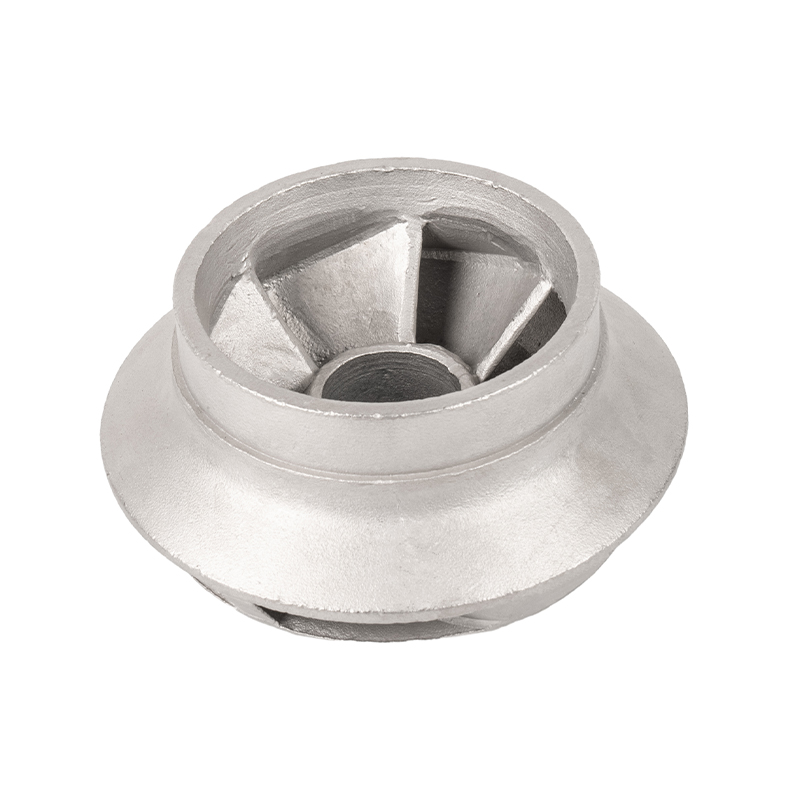 Custom Stainless Steel Blade Impeller Castings Manufacturers, OEM SuppliersNingbo Etdz Andrew Precision Cast Co., Ltd. is China Blade Impeller Castings Manufacturers and Custom Stainless Steel Precision Blade Imp...View Product →
Surface finish also matters. The seal's stationary seat sits against the casing gland, and if that surface is rough, it can create leakage paths or distort the seal face. Castings with poor surface quality require additional machining and can leave micro-defects that affect sealing. Detailed information on improving surface finish is available in the article on ensuring the surface finish of stainless steel water pump castings. Similarly, the hydraulic shape of the impeller influences the pressure distribution at the seal chamber, as explained in the review of how stainless steel impeller design affects efficiency and performance.
Selecting a Mechanical Seal: Key Considerations
Choosing the right mechanical seal is not just about matching the shaft diameter. The following parameters should be reviewed for every application:
- Fluid characteristics: Corrosive fluids require wetted materials such as ceramics, silicon carbide, or Hastelloy. Fluids containing solids often call for a flush plan to keep the faces clean.
- Pressure: High pressure generally requires a balanced seal. You must also check if the pressure in the stuffing box is higher or lower than the pump discharge pressure—this affects the seal design.
- Temperature: High temperatures may exceed the limit of elastomer O-rings, so a metal bellows seal is then preferred. Low temperatures may cause icing or polymerisation.
- Shaft speed: At high surface speeds, heat generation increases, so the seal faces need adequate cooling and lubrication.
- Standards: In many industries, seals for centrifugal pumps are specified according to API 682, which defines seal categories, arrangements, and flush plans.
- Installation space: Cartridge seals take up more space, but they simplify installation. Check that the gland plate has room for the seal's fittings.
Another important point is the quality of the shaft sleeve. The seal's elastomer or bellows slides over the sleeve, so it must be hard-chromed or made of a corrosion-resistant material with a smooth finish. A rough or corroded sleeve will soon destroy the secondary sealing elements.
Installation and Maintenance Essentials
Even the best mechanical seal fails quickly if it is installed incorrectly. The most common errors are misalignment of the gland plate, dirty or damaged faces, incorrect compression, and dry running during startup. Here are the essential steps for a reliable installation:
- Clean the stuffing box and shaft sleeve; remove all burrs, scale, and old gasket material.
- Check that the shaft runout is within the pump manufacturer's limits, usually 0.05 mm or less at the seal area.
- Inspect the new seal faces under bright light. Any nick, scratch, or contamination means the seal should not be used.
- Apply a thin film of compatible lubricant to the seal faces and elastomers, unless the manufacturer says otherwise.
- Mount the stationary seat and gland plate, then slide the rotary unit onto the shaft without overtightening the set screws.
- Set the correct compression length according to the drawing. For cartridge seals, simply install the preset unit and remove the clips after the gland is tightened.
- Tighten the gland bolts evenly and in a cross pattern to avoid skewing the gland.
- Before starting the pump, vent the casing and flush the seal chamber to avoid running the seal dry.
During operation, watch the seal chamber temperature, listen for squealing or chattering sounds, and check for any visible leak. Many pumps use a small flush line that circulates clean liquid through the seal chamber; keep that line open and adjust the flow rate as needed. Planned inspections of the seal area, together with vibration monitoring of the pump, can catch problems early before they cause a complete seal failure.
Conclusion
A mechanical seal in a centrifugal pump does not work in isolation. It is a precision component that depends on stable shaft conditions, correct pump assembly, and well-made pump internals. Choosing a seal type that matches the fluid, pressure, temperature, and installation requirements is the first step; ensuring the pump casing and impeller are machined to the right tolerances is the second. Together, they keep the seal faces cool, lubricated, and stable for thousands of operating hours.
For pump manufacturers and maintenance teams, working with a casting supplier that understands these tolerances can make a measurable difference in seal reliability. Whether you need solid centrifugal pump castings, precisely shaped blade impeller castings, or specialized spiral centrifugal impeller castings, the quality of those components directly influences how long your mechanical seal will last. Keep the mechanical seal on your inspection checklist, but do not forget the castings that support it.
RELATED PRODUCTS

Do you have questions? Do not wait, Let's talk!
Contact Us
- Tel: +86-13967888380 / +86-13685858588
- +86-0574-86183698 / +86-0574-86183685
- Fax: +86-0574-86183696
- Email: [email protected]
[email protected] - Add: No. 68, Jiangbin Branch Road, Beilun Xiaogang Joint Development Zone, Ningbo, Zhejiang, China.
QR Code
Copyright © Ningbo Etdz Andrew Precision Cast Co., Ltd. All rights reserved
 Custom Metal Precision Casting Parts Manufacturers
