

 English
 Español
 русский
 中文简体
中文简体

Home / News / Industry News / Sand Molds for Metal Casting: A Complete Guide to Process and Materials
Industry News
Sand Molds for Metal Casting: A Complete Guide to Process and Materials
Sand molds for metal casting have been a workhorse of foundries for centuries, and they remain one of the most practical ways to turn a design drawing into a finished metal component. From water pump housings and valve bodies to impeller castings and pipe fittings, the sand mold is often the smartest choice when parts are too complex for simple machining or too costly to produce with permanent tooling. In this guide, we explain how sand molds are built, what materials make them work well, and what an experienced foundry watches for at each stage of the process.
What Are Sand Molds for Metal Casting?
A sand mold is a cavity formed in compacted sand that receives molten metal during the casting process. The mold begins with a pattern, which is a full-size model of the exterior shape of the part. The pattern is packed into specially prepared sand so that the sand takes the form of the part. When the pattern is removed, the empty cavity is ready to be filled with liquid metal, and that cavity is what gives the finished casting its external shape.
Because each sand mold is made for a single pour, the process offers enormous flexibility. We can produce a small batch of spare parts, a prototype for a new pump design, or a medium-sized production run without the high tooling investment of die casting or permanent mold casting. The mold is normally broken apart when the metal solidifies, but the sand can be reclaimed and reused, which keeps the process economical and efficient.
Main Types of Sand Molds
Not all sand molds behave the same way. The right molding method depends on the alloy, the size of the casting, and the level of dimensional accuracy the part requires. The four most common types in industrial use are green sand molds, dry sand molds, no-bake molds, and shell molds.
| Mold Type | Binder | Key Strength | Typical Use |
|---|---|---|---|
| Green sand mold | Clay and water | Low cost and easy sand reclaiming | Pump housings, valve bodies, machine parts |
| Dry sand mold | Clay, baked for strength | Stronger mold wall and better surface finish | Medium to large castings |
| No-bake mold | Resin and hardener | High dimensional accuracy for heavy parts | Large valve and machinery castings |
| Shell mold | Resin-coated sand | Thin strong shell with good surface finish | Precision parts in moderate volumes |
In our own production, green sand molds are the most common choice for fluid-handling components. They are economical, quick to prepare, and well suited to parts with medium wall thickness such as centrifugal pump castings.
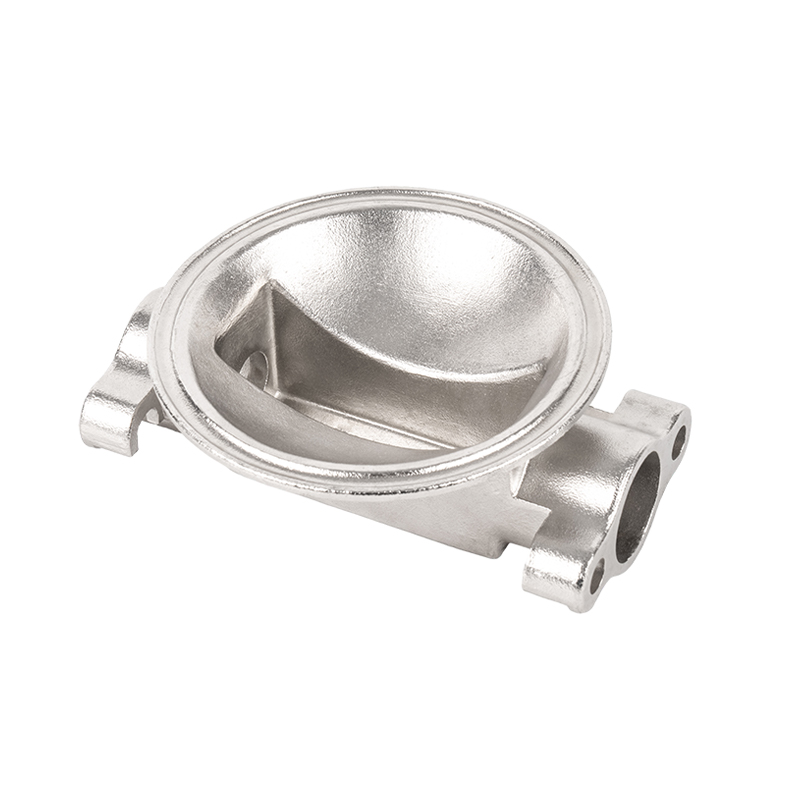
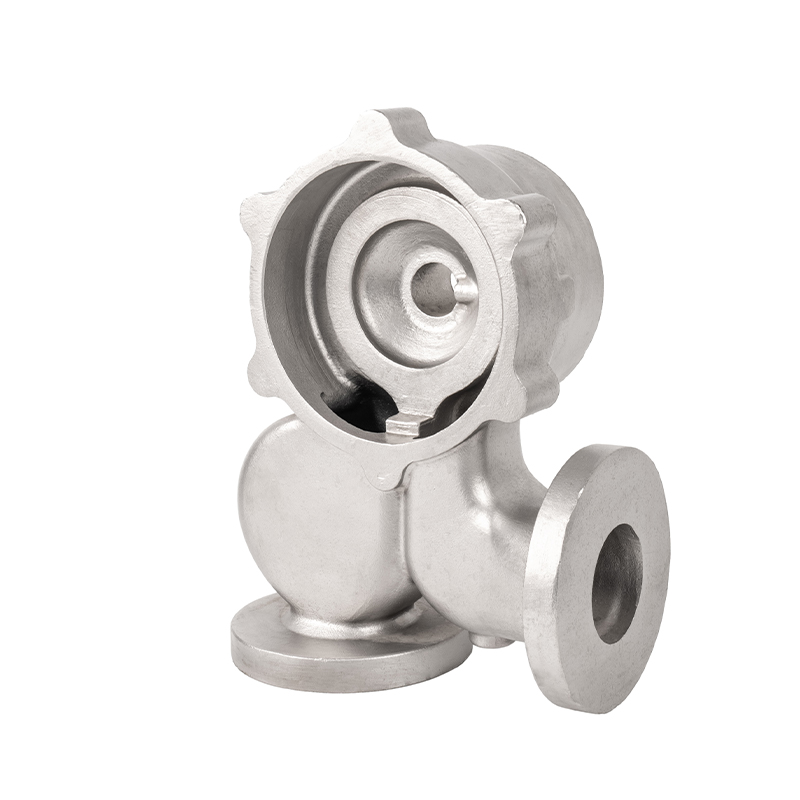 Stainless Steel Centrifugal Pump Castings from Ningbo ManufacturerThis listing showcases precision centrifugal pump castings in stainless steel, produced by a Chinese foundry with advanced technology and export experience, relevant when comparing mold types for medium-wall fluid-handling components.View Product →
No-bake molds come into the picture when the part is heavier and the mold must hold its dimensions through a long cooling period. Shell molds are selected when the surface finish requirement is more demanding and the production volume justifies a slightly higher mold cost. Each method has its place, and a good foundry recommends the option based on the casting drawing rather than a fixed preference.
How a Sand Mold Is Made for Metal Casting
A reliable sand mold is the result of careful preparation. We follow a disciplined sequence at every stage because a small mistake in the mold often shows up later as a defect in the casting. The main steps are listed below.
- Pattern preparation. The pattern is built to match the part geometry, with shrinkage allowance added and draft angles included so that it can be withdrawn from the sand cleanly.
- Sand preparation. The sand is mixed with the selected binder and any additives to achieve a stable moisture or resin level. Inconsistent sand is one of the most common causes of mold-related defects.
- Molding and compaction. The sand is packed around the pattern in a molding box. Uniform compaction is essential so the mold can withstand the pressure of the molten metal without erosion.
- Core setting. Cores are placed in the mold to create internal passages, undercuts, and cavities that cannot be shaped by the pattern alone. A well-supported core is critical for parts such as impellers that have flow channels inside.
- Mold closing. The two halves of the mold, known as the cope and the drag, are aligned and clamped so that the cavity keeps its shape during pouring.
- Pouring and solidification. Molten metal is poured through the sprue and fills the cavity. Pouring temperature, gating design, and venting all influence how cleanly the metal fills the mold.
- Shakeout and finishing. After the metal solidifies, the mold is broken away, and the casting is removed. Runners and risers are cut off, and the surface is cleaned before inspection.
Blade impeller castings are a good example of why the mold-making sequence matters. The internal flow passages that determine hydraulic performance are formed by cores, and if the mold shifts or the core moves during pouring, the impeller will not match the design. Careful molding is what protects the geometry of the final part.
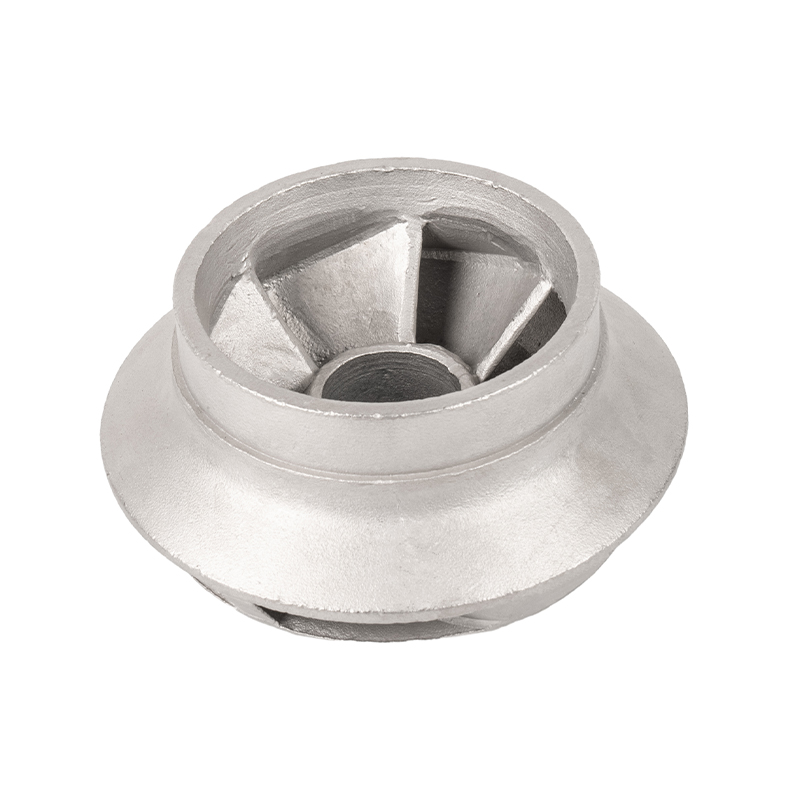 Precision Blade Impeller Castings in Stainless SteelBlade impeller castings depend on accurate core placement during molding. This supplier's stainless steel precision castings are worth considering for applications where internal flow passages must match hydraulic design requirements exactly.View Product →
Once the casting is removed from the mold, it moves through cleaning and inspection before any secondary machining. Many buyers see the true quality of the casting only at this stage, but the outcome is determined much earlier, during the mold-making process itself.
Common Sand Mold Defects and Prevention Methods
When a sand-cast part fails inspection, the root cause is frequently in the mold. Over the years, we have learned that most defects can be traced to sand quality, compaction, or venting. Understanding these defects helps us solve them quickly and prevents repeat issues in ongoing production.
| Defect | Main Cause | Prevention |
|---|---|---|
| Sand inclusion | Loose sand washing into the molten metal | Stronger compaction, mold coating, controlled pouring |
| Porosity | Gas trapped during solidification | Better venting, controlled moisture, correct pouring temperature |
| Mold shift | Misalignment between cope and drag | Securely mounted flasks and accurate locating pins |
| Scabbing | Surface sand expands and cracks during pouring | Controlled moisture, improved compaction, adequate baking |
| Shrinkage cavity | Solidification is not fed by risers | Optimized riser position and gating design |
These are exactly the problems we evaluate when reviewing a new casting design. A small adjustment to the mold, such as adding a vent or changing the binder ratio, can make the difference between a dependable part and a scrapped pour.
Choosing a Sand Mold for Your Cast Components
How do you know whether a sand mold is the right approach? In our experience, the decision comes down to four factors: part size, geometric complexity, production quantity, and alloy. Large or heavy components are almost always better suited to a sand mold than to a permanent die. Parts with internal passages, such as valve ports, benefit from the ability to place cores exactly where they are needed. When the order quantity is low or medium, the low tooling cost of sand molding keeps the unit price realistic, and because iron, steel, stainless steel, and aluminum can all be poured into sand molds, the alloy is seldom the reason to avoid the process.
Ball valve castings are a typical example from our shop floor. The body of a ball valve needs heavy wall sections, accurate port alignment, and good sealing surfaces. A well-prepared sand mold holds those dimensions while the metal cools, and our finishing operations then bring the sealing faces to the required standard. If you want to see how this works in practice, our article on the sand casting process of water pump castings walks through the steps of molding, pouring, and finishing a fluid-handling component.
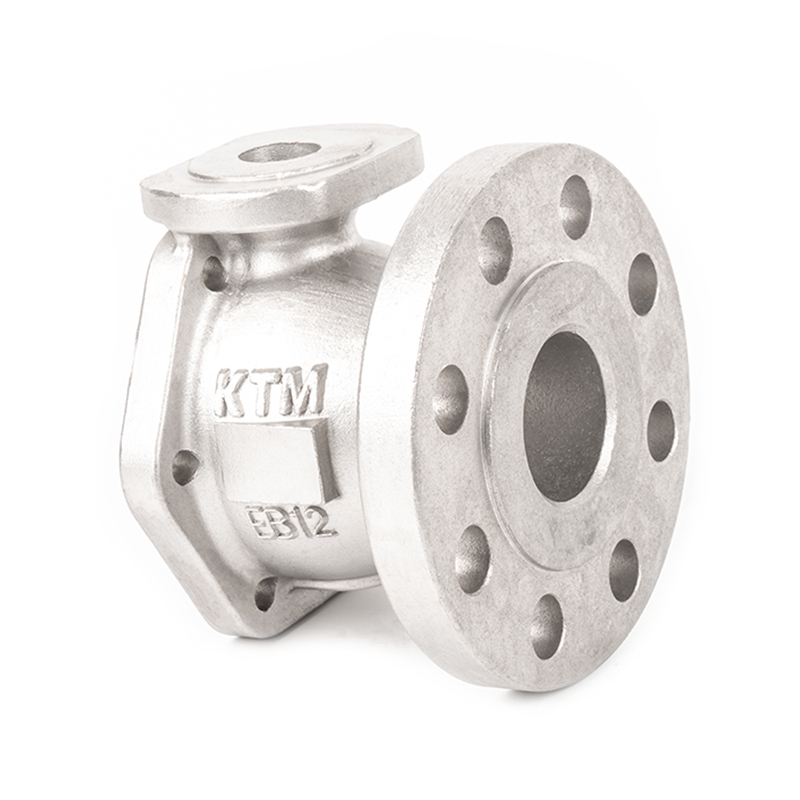 Stainless Steel Ball Valve Castings for Heavy Wall SectionsBall valve castings need heavy walls, accurate port alignment, and good sealing surfaces. This supplier's precision stainless steel castings suit medium-to-large components where sand molding balances strength, cost, and lead time.View Product →
For buyers who compare processes side by side, the question usually comes down to volume and surface finish. When large numbers of small, detailed parts are needed, other methods such as investment casting may be more efficient. For medium-to-large components with solid cross-sections, sand molding gives a strong balance of strength, cost, and lead time.
Sand molds for metal casting are not an outdated technique; they are a practical, proven solution that continues to serve modern manufacturing well. They give foundries the flexibility to handle a wide variety of parts and alloys while keeping costs predictable. The success of a sand-cast component depends on careful pattern design, consistent sand preparation, and disciplined molding. When those fundamentals are handled properly, a sand mold can produce castings that meet demanding service conditions for years. If you have a component that could be a good fit for sand molding, our engineers will be glad to review the drawing and recommend the most dependable approach.
RELATED PRODUCTS

Do you have questions? Do not wait, Let's talk!
Contact Us
- Tel: +86-13967888380 / +86-13685858588
- +86-0574-86183698 / +86-0574-86183685
- Fax: +86-0574-86183696
- Email: [email protected]
[email protected] - Add: No. 68, Jiangbin Branch Road, Beilun Xiaogang Joint Development Zone, Ningbo, Zhejiang, China.
QR Code
Copyright © Ningbo Etdz Andrew Precision Cast Co., Ltd. All rights reserved
 Custom Metal Precision Casting Parts Manufacturers
